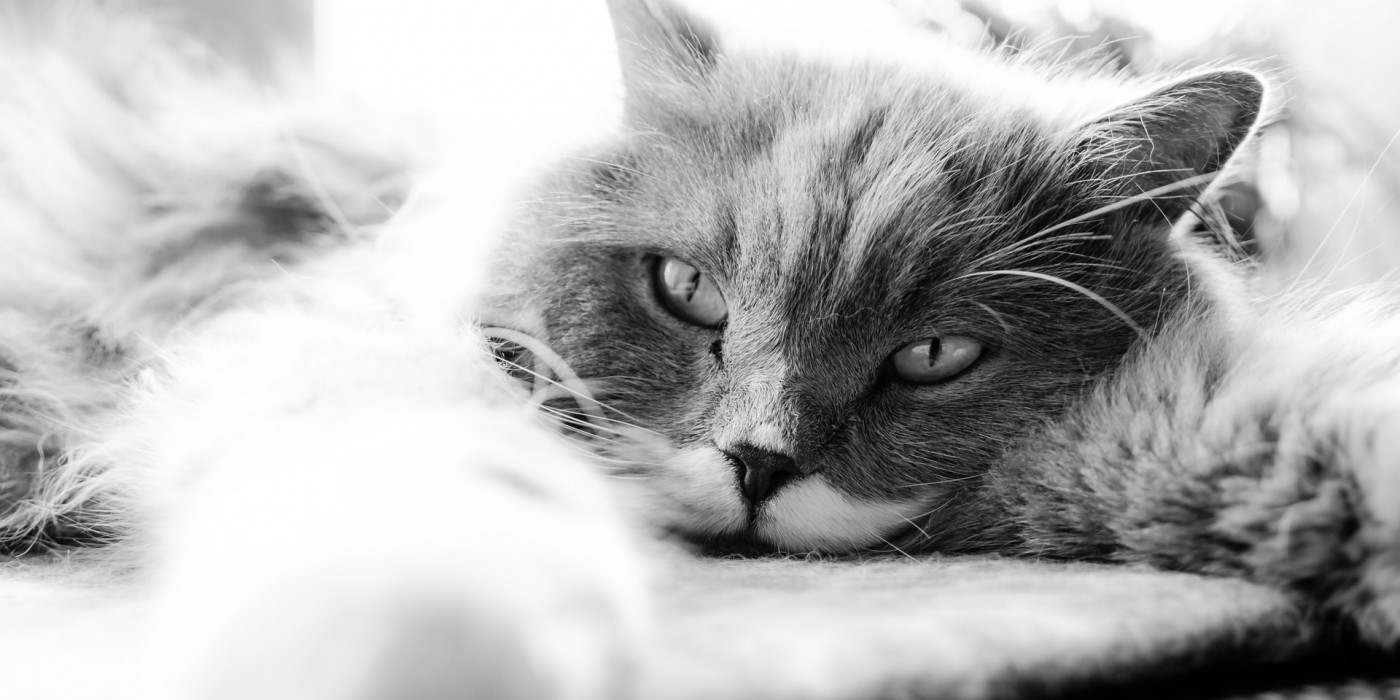
Anxiety in pets is more common than you might think. Learn how to recognise the signs and what treatments are available.
Types of Anxiety in Pets
Pets can experience separation anxiety, noise phobias (thunderstorms, fireworks), social anxiety, and generalised anxiety. Each type may require a different approach to management.
Recognising the Signs
Signs of anxiety include excessive barking or meowing, destructive behaviour, house soiling, pacing, trembling, hiding, and loss of appetite. Some pets may become clingy or aggressive when anxious.
Environmental Management
Create a safe space for your pet where they can retreat when feeling anxious. Calming music, pheromone diffusers (Adaptil for dogs, Feliway for cats), and thunder shirts can help reduce anxiety.
Behavioural Training
Gradual desensitisation and counter-conditioning are effective for many forms of anxiety. A qualified animal behaviourist can create a tailored behaviour modification plan for your pet.
Medical Options
In some cases, medication may be recommended alongside behavioural therapy. Anti-anxiety medications can help your pet cope while they learn new coping strategies. Talk to us about what’s right for your pet.